
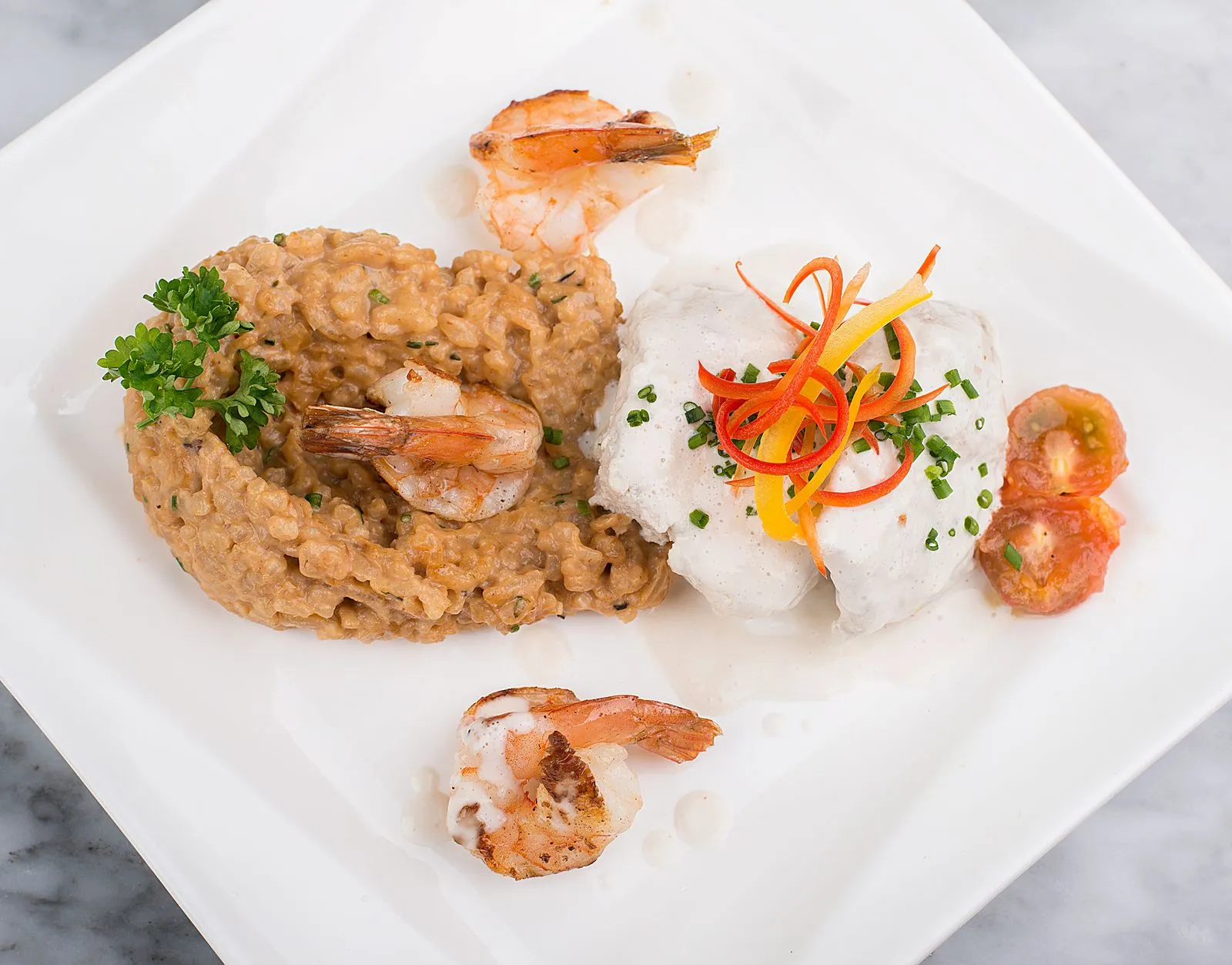
A good seafood pairing brings balance to the plate. A delicate white fish can disappear under a heavy sauce, while a rich salmon fillet may benefit from something bright and crisp. Start with the seafood’s flavor, texture, and cooking method, then choose sides and sauces that complement rather than compete. These practical guidelines make it easier to build a satisfying meal, whether you’re cooking at home or choosing from a menu.
Start With the Seafood
Delicate fish such as cod, sole, or haddock usually pairs well with mild, fresh flavors. Try steamed rice, roasted potatoes, or simply cooked vegetables, then add lemon, herbs, or a light yogurt sauce. Keep seasoning measured so the fish remains the focus. If the seafood is especially mild, a crisp or tangy side can add contrast without covering its flavor.
Oilier fish, including salmon and mackerel, can stand up to bolder accompaniments. Pair them with bitter greens, grilled vegetables, or a grain salad with citrus. A mustard vinaigrette, herb sauce, or spoonful of salsa verde can cut through richness. For shellfish, consider the preparation: sweet scallops welcome browned butter and a fresh vegetable, while briny oysters often need little more than lemon.
Match Sides to the Cooking Method
Grilled or roasted seafood develops a browned, savory surface. Balance that flavor with bright, crisp sides such as slaw, cucumber salad, or vegetables dressed with vinegar and herbs. Potatoes, beans, or whole grains make the meal more filling. Avoid pairing charred seafood with several heavily roasted sides, which can make the plate taste overly smoky or rich.
Steamed or poached seafood has a gentler flavor and tender texture. Serve it with rice, soft grains, or lightly cooked vegetables, and use a sauce with enough acidity to keep each bite lively. For fried seafood, choose a fresh salad, vinegar-based slaw, or lemony greens. These sides refresh the palate and bring contrast to the crisp coating.
Choose a Sauce for Balance
Think about what the seafood needs: acidity, freshness, or richness. Lemon juice, vinegar, and tomato add brightness; parsley, dill, and chives bring herbal freshness. Butter, cream, and mayonnaise create a richer finish, so use them sparingly with naturally rich fish or fried dishes. A small amount of sauce lets you adjust each bite without masking the main ingredient.
Keep the sauce’s intensity in step with the seafood. A delicate fish works well with a light lemon-and-herb dressing, while grilled tuna can handle a punchier sauce. For shrimp or crab, try garlic, citrus, or a mild chili sauce. Taste the sauce before serving and adjust gradually: a squeeze of lemon can lift a rich sauce, while a little olive oil can soften one that tastes too sharp.
Build a Balanced Plate
Use contrast as a simple guide. Pair soft seafood with something crisp, rich fish with something bright, and a strongly seasoned preparation with mild sides. Include one filling component, such as potatoes, rice, or beans, and one vegetable or salad. You do not need several sauces or elaborate sides; a few well-chosen elements can make the flavors clearer.
If you’re unsure, keep the side and sauce flexible. Put lemon wedges, fresh herbs, or dressing on the table so diners can add them to taste. When ordering, ask how the seafood is prepared and whether the sauce is served separately. At North Shore Bistro in Traverse City, those details can help you choose a combination that suits your appetite.
The most reliable seafood pairings come from balance: match the sauce to the fish’s intensity, use sides to add contrast, and avoid crowding the plate with competing flavors. Start with one bright element and one satisfying side, then adjust to taste. Try these guidelines with your next seafood meal and find the combinations you enjoy most.